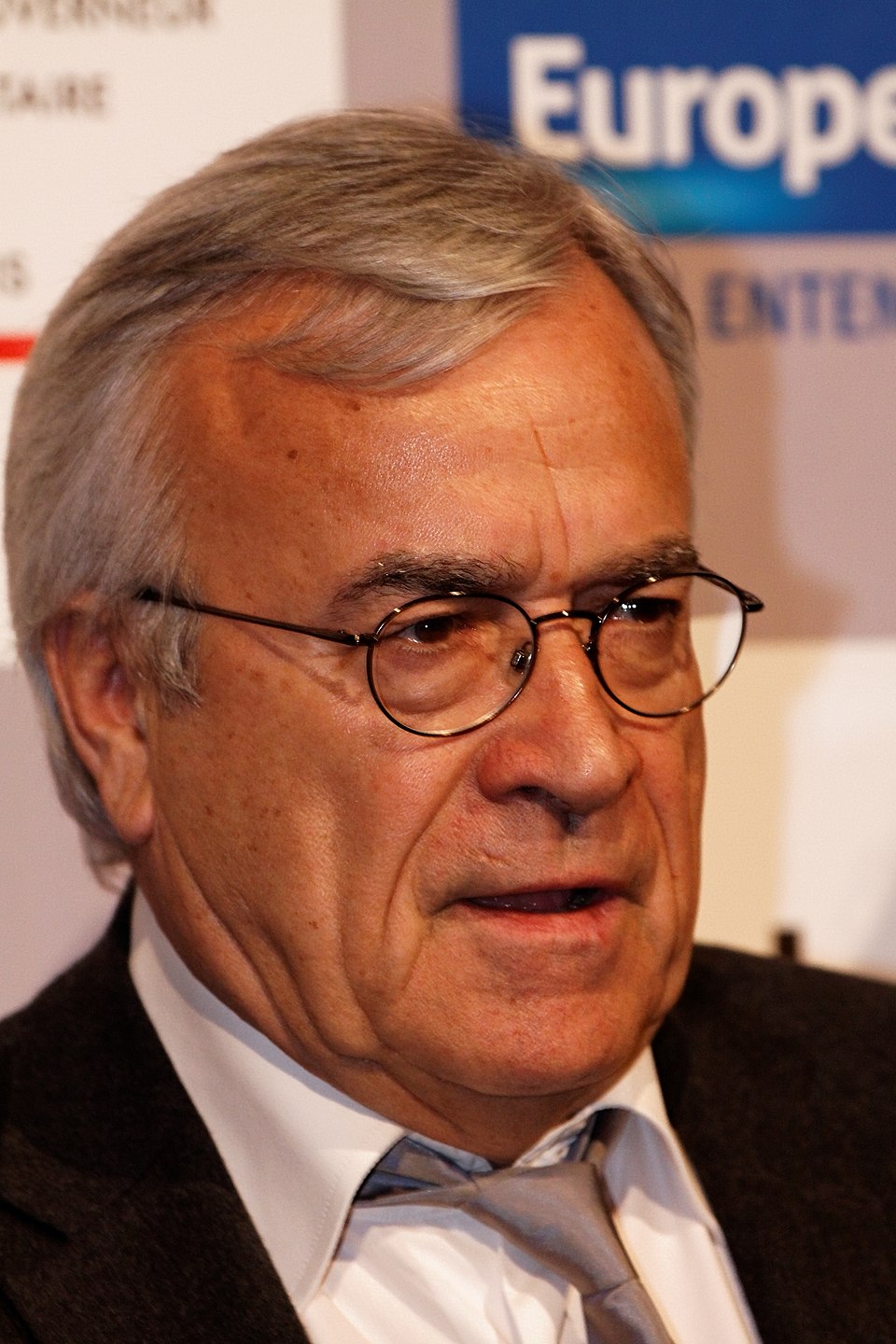
Jean-Claude Dassier's CNEWS Remarks: Navigating Discrimination & ARCOM Scrutiny
The landscape of French broadcast media was recently shaken by remarks made by Jean-Claude Dassier, a seasoned pundit on the continuous news channel CNEWS. These comments, widely denounced as discriminatory, swiftly prompted calls for intervention from regulatory bodies, particularly ARCOM. The incident underscores the critical responsibility of media personalities in shaping public discourse and the vigilance required from watchdogs to uphold journalistic ethics and combat hate speech. The phrase "dassier propos polémiques" quickly became a shorthand for the intense debate that followed.
The Controversial Broadcast: Challenging National Cohesion on CNEWS
On Tuesday, December 27, 2022, during the CNEWS program "La belle équipe," Jean-Claude Dassier, formerly the president of Olympique de Marseille and now a prominent television consultant, uttered statements that ignited a firestorm of criticism. Amidst a discussion dissecting current affairs, Dassier asserted that "Muslims don't care about the Republic," adding emphatically that "they don't even know what the word means."
These sweeping generalizations were made in the presence of fellow guests, including Eduardo Rihan-Cypel from Territoires de progrès, essayist Laurent Ozon, and Jean Garrigues, president of the Parliamentary and Political History Committee. The gravity of such statements, implying a collective disinterest and ignorance towards fundamental republican values among an entire religious group, was immediately apparent to many observers. Dassier further elaborated on his pessimistic outlook, claiming, "we won't succeed, because it's too complicated, cultures are too far apart... and we're slowly moving towards a communal society." He then expressed a desire for the French Republic to "dominate all this and give birth to a common culture."
The nature of these remarks, which essentialize and generalize about a significant segment of the French population, raised serious questions about their potential to foster division and prejudice. In a country that prides itself on its republican values of liberty, equality, and fraternity, questioning the allegiance and understanding of any religious community can have profound societal implications, particularly when broadcast on a national news channel.
The Immediate Backlash: Sleeping Giants and ARCOM's Intervention
The public reaction to Dassier's comments was swift and unequivocal. Various individuals and associations called for the immediate reporting of these remarks to the appropriate authorities. Among the most prominent voices was the activist collective Sleeping Giants. Known for its online campaigns against hate speech and its efforts to curb the financing of such discourse in both digital and traditional media, Sleeping Giants took to social media on December 28, 2022.
In their tweet, the collective specifically identified and tagged ARCOM (the French public authority for audiovisual and digital communication regulation). Sleeping Giants unequivocally denounced Dassier's statements as discriminatory on the basis of religion, urging the regulatory body to take action. A key point of contention highlighted by the collective was the apparent lack of on-air contradiction. While Jean Garrigues did respond by saying he wished to "teach Muslims what that meant" (referring to the word "Republic"), this was perceived by many as insufficient. The collective pointed out that the presenter, who had previously challenged guests' remarks in the past, failed to do so on this occasion, allowing Dassier's incendiary comments to go largely unchallenged.
ARCOM's role is crucial in such instances. As the independent authority responsible for ensuring the proper functioning of audiovisual communication, including adherence to ethical guidelines and prevention of incitement to hatred or discrimination, ARCOM is empowered to investigate complaints and, if necessary, impose sanctions. The involvement of Sleeping Giants effectively amplified the public demand for accountability and ensured that the "dassier propos polémiques" would be subjected to formal scrutiny.
A Pattern of Controversy: Jean-Claude Dassier's Past Remarks
The December 2022 incident on CNEWS was not Jean-Claude Dassier's first foray into controversial public statements. A look back at his career reveals other instances where his comments generated significant outrage, suggesting a recurring pattern of contentious remarks.
One notable prior incident occurred when he was the president of Olympique de Marseille. On Wednesday, September 9 (likely 2009, based on context), Dassier addressed club personnel at the Commanderie training center. While outlining his strategy for the club, he stated, "I will not be a Lebanese or African president." This remark was widely interpreted by many present as a thinly veiled jab, at best, or a racially charged insinuation, at worst, directed at his predecessor, Pape Diouf, who was of Senegalese origin.
Pape Diouf, who had largely remained silent in the media since his departure from the club in June of that year, broke his silence to react to what he considered a personal attack. Interviewed by Lexpress.fr, Diouf expressed his indignation, stating, "These remarks, of which I was indeed aware, seem to me at the very least ambiguous and not very honorable. The explanations Jean-Claude Dassier seems to have given are very labored." He further noted his previous abstention from speaking to allow new management to settle in but reserved the right to respond more extensively in the future. This incident, predating the CNEWS controversy by over a decade, highlights a historical propensity for Dassier to make remarks that are perceived as ethnically or culturally insensitive, sparking public debate and condemnation. For more details on this particular incident, you can read Dassier's 'African President' Comment: Diouf Outrage at OM. This earlier controversy underscores the importance of examining Jean-Claude Dassier: A History of Controversial Remarks in Media to understand the broader context of his public persona.
The Broader Implications: Media Responsibility and Social Cohesion
Incidents like the "dassier propos polémiques" on CNEWS carry implications far beyond the immediate scandal. They serve as a stark reminder of the immense power and responsibility held by media outlets and their personalities in shaping public opinion and influencing societal discourse. When individuals with platforms make sweeping, unsubstantiated claims that target entire communities, it risks exacerbating social divisions, fostering mistrust, and normalizing prejudice.
Continuous news channels, in particular, play a pivotal role in the daily consumption of information for millions. Their editorial choices, the selection of guests, and the degree of oversight exercised by presenters directly impact the quality and impartiality of the information conveyed. The perceived lack of robust challenge to Dassier's comments on "La belle équipe" raises serious questions about editorial standards and the commitment to fostering inclusive and respectful debate.
- Promoting Media Literacy: For viewers, it becomes crucial to cultivate strong media literacy skills. This involves critically evaluating information, recognizing generalizations and stereotypes, and questioning the sources and motivations behind certain statements.
- Journalistic Ethics: For media professionals, the incident reiterates the paramount importance of adhering to journalistic ethics, which include accuracy, fairness, impartiality, and a commitment to not incitement of hatred or discrimination. Presenters bear a particular responsibility to moderate discussions effectively, ensuring that all voices are heard respectfully and that harmful rhetoric is challenged.
- Regulatory Vigilance: The actions of bodies like ARCOM are indispensable in maintaining a healthy media landscape. Their ability to investigate complaints and enforce regulations provides a vital safeguard against content that could undermine social cohesion or violate ethical standards.
Ultimately, a healthy democratic society relies on open, informed, and respectful public dialogue. When media platforms become arenas for discriminatory or divisive speech, it threatens the very fabric of that society. The CNEWS incident serves as a call to action for all stakeholders – media outlets, regulators, and the public – to remain vigilant in upholding the principles of respect, inclusion, and critical thinking.
Conclusion
The controversial remarks made by Jean-Claude Dassier on CNEWS on December 27, 2022, regarding the Muslim community's relationship with the French Republic, sparked widespread condemnation and triggered an official complaint to ARCOM. These "dassier propos polémiques," coupled with the perceived lack of immediate contradiction on air, ignited a crucial debate about media responsibility, the fight against discrimination, and the role of regulatory bodies. When viewed alongside previous controversies, such as his comments during his tenure at Olympique de Marseille, a pattern of problematic statements emerges, underscoring the ongoing challenges in ensuring responsible and inclusive public discourse. This incident reaffirms the vital importance of vigilant media regulation and adherence to rigorous journalistic ethics to safeguard social cohesion and promote respectful dialogue in an increasingly complex media environment.